CIPC Guides
What Does It Actually Cost to Register a Company in South Africa?
4 MIN READ · CIPC GUIDES
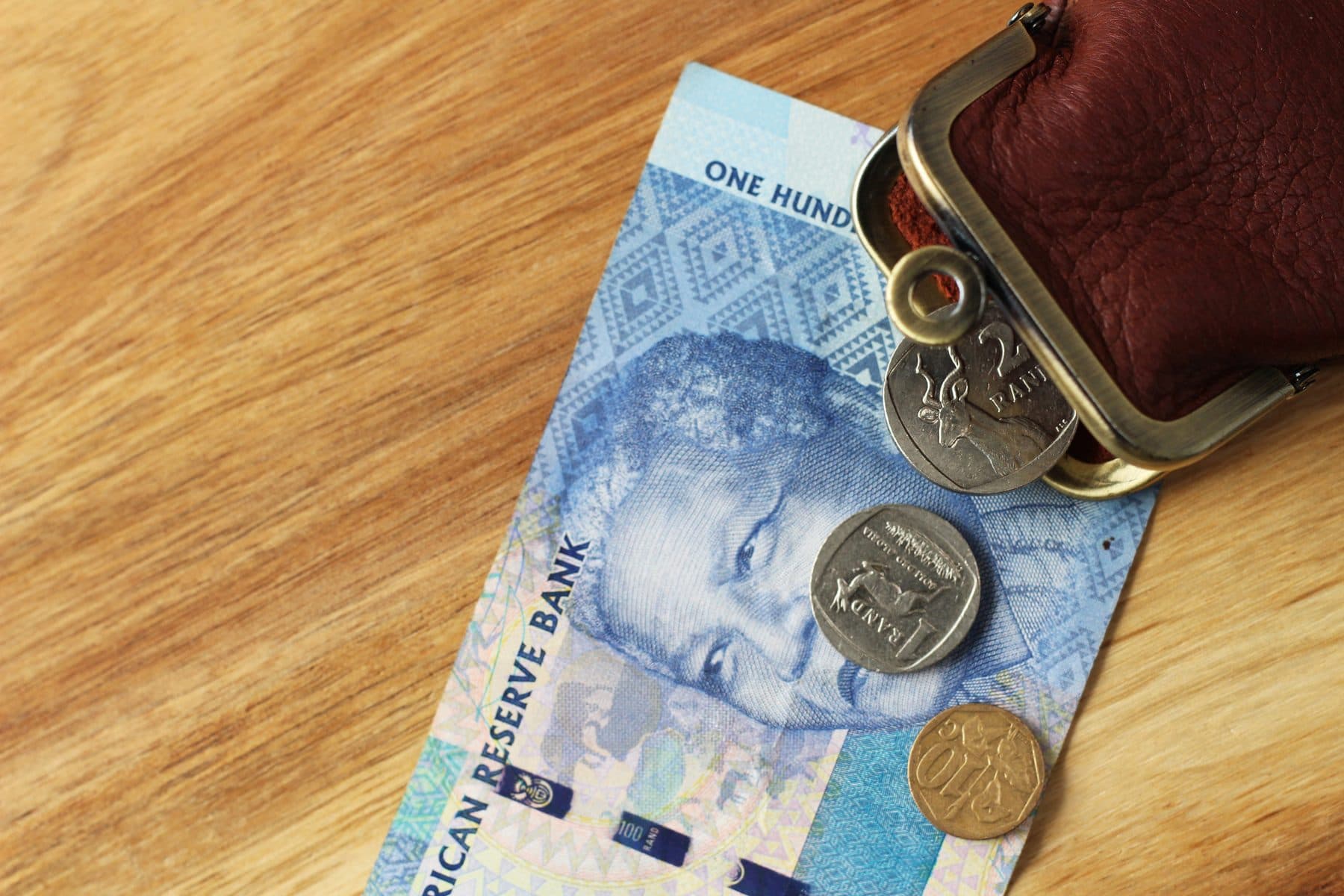
Image by wirestock via Magnific/Freepik
Most people assume there is one flat fee to register a business in South Africa. There is not. The real cost depends on a few choices you make along the way, and most guides never actually break it down. Here is every real number, explained plainly, including the costs that show up after registration, not just on the day itself.
If you are happy to register under your company's registration number, something like 2026/123456/07, rather than a specific chosen name, here is everything you need to pay.
Your CIPC (Companies and Intellectual Property Commission, the government body that registers companies) customer code is free to create.
Registering a Private Company itself costs R125.
Your Certificate of Incorporation, an official document called CoR14.3 that proves your company legally exists, is free to download for the first 30 days after registration.
Your Beneficial Ownership Declaration, a form confirming who actually owns and controls the company, is also free to file.
Your SARS (South African Revenue Service, the department that handles tax) income tax number is issued automatically at no extra cost when you register through BizPortal, the official government registration platform.
That means the true minimum to legally register a company in South Africa is just R125.
Registering under a number is fast, but most business owners want an actual trading name from day one. That costs a bit more.
Reserving a name uses a form called CoR9.1, and costs R50 per application, regardless of whether your chosen name is approved or rejected. You can submit up to four name options in one application, ranked by preference, which reduces the chance you will need to pay again if your top choice is unavailable.
With a reserved name, your total comes to R175.
One thing worth knowing before you reserve a name: the reservation is only valid for six months from approval. If you have not completed your registration by then, it expires, and the name becomes available to anyone else.
We know this one from experience, not just the guide. We reserved the name GOODSOURCE BOS on 23 February 2026, and CIPC's own confirmation notice gave us until 25 August 2026 to complete registration using that name. We registered well within that window, so the reservation simply converted into our permanent company name, no extra cost, no extension needed. If you cut it closer than we did, there is a one time 60 business day extension available for R30, but only if you apply within the final month before your reservation lapses. Miss that too, and the name becomes available to anyone else, you start over from scratch with a brand new application and a new R50 fee.
Registering your company is not the finish line. The moment your company exists, two legal deadlines begin, and a couple of quieter, ongoing ones start ticking right alongside them.
Your Beneficial Ownership Declaration must be filed within 10 business days of registration. Since 1 July 2024, this is enforced as a hard system rule, meaning your Annual Return literally cannot be processed until this is filed and current.
Your first Annual Return, a yearly filing that simply confirms your company is still active, is due within 30 business days of your registration anniversary. It starts at R100 per year for companies turning over less than R1 million, rising at higher turnover bands, with real penalties added if you file late.
Beyond those two, a few more things quietly need your attention after the registration paperwork is done:
Provisional tax is paid twice a year, not once, based on your estimated income for the year. It is easy to forget if you have never run a formally registered business before, and underestimating what you owe can lead to real penalties later.
Your Beneficial Ownership Declaration and, if applicable, your B-BBEE certificate both need to be renewed every year. Neither has a fee if your company qualifies as an Exempt Micro Enterprise, but both are easy to let lapse, and a lapsed Beneficial Ownership Declaration will block your Annual Return from being processed at all until it is fixed.
None of these costs are hidden exactly, they are all publicly documented. But nobody hands you a single list of them when you register, so they tend to arrive as surprises instead of as a plan.
The honest answer: R125 at minimum, R175 if you want a proper name, and both of those numbers only tell part of the story. The real cost of getting a company right is staying on top of what comes after registration, not just the registration fee itself.
GoodSource BOS registers your company for you, handles the paperwork, and gets your compliance tracking started from day one, so those first deadlines never catch you off guard. Register with us today and get two months of Starter free once you are set up.
Visit goodsourcebos.co.za to get started.
This article is provided for informational purposes only and does not constitute legal advice.
GOODSOURCE
GoodSource tracks your CIPC filings, SARS deadlines and B-BBEE certificates so you never miss a deadline or pay an avoidable penalty.
Get started free →